See First, Buy Later: A Museum-First Ritual for American Travelers to India
Photo: John B. Dale, Public domain, via Wikimedia Commons
American travelers to India often arrive with an itinerary shaped by markets. The first afternoon is for shopping; the last morning is for packing. The assumption is practical: see the country, then bring some of it home. This essay proposes a different order. Spend the first day in a museum, not a market. Learn to read objects before you buy them. The souvenir that lasts is not the one purchased fastest. It is the one understood first.
The Case Against the First-Market Reflex
A market is designed to produce desire. A museum is designed to produce attention. That difference matters. The traveler who buys before looking often comes home with objects that are beautiful but mute. They match a room, but they do not explain themselves. The Raja Kelkar Museum in Pune offers an alternative starting point. Its collection is not a shopping catalog; it is a lesson in how objects carry use, ritual, geography, and time.
What Raja Kelkar's Method Teaches the Traveler
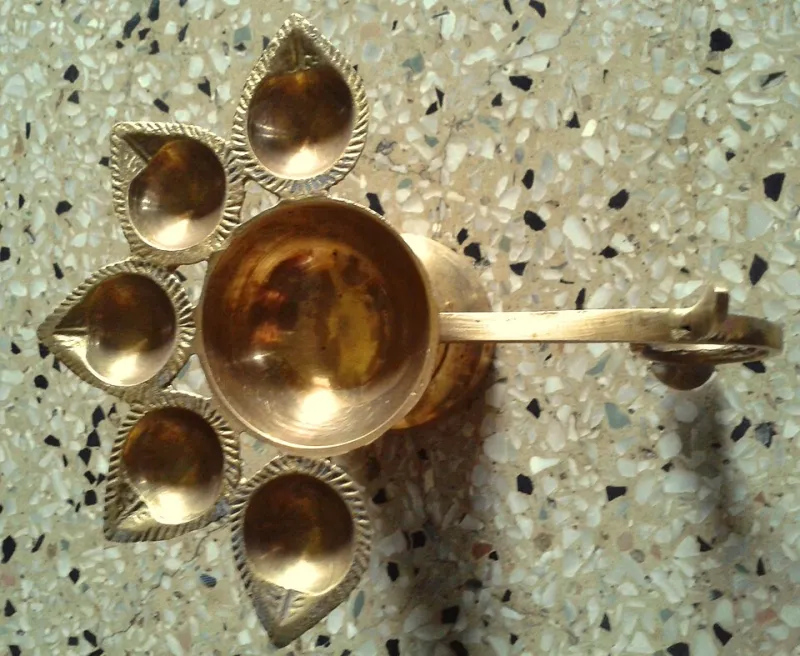
Raja Kelkar's collecting vision, as the museum presents it, is not accumulation for its own sake. It is accumulation with a question. The method is simple enough to borrow: look closely, ask what the object did, and let the answer shape the purchase. A brass vessel is not only a brass vessel. It may be a measure, a container, a ritual object, or a trade good. A toy is not only a toy. It may be a lesson in kinship. The traveler who learns this before entering a market is less likely to confuse decoration with culture.
A Museum-First Itinerary
Here is a practical ritual for the first full day in India. Morning: visit a museum with a collection of domestic and decorative arts. Choose three objects and write down three things: material, use, and one unanswered question. Afternoon: visit a market, but do not buy. Instead, find one object that resembles something you saw in the museum. Compare it. Ask what is similar, what is different, and what the difference means. Evening: write a short note about the gap between display and sale. On the second day, return to the market if you still want the object. The delay is the point.
Three Questions Before Any Purchase
Before buying any souvenir in India, ask: What was this made to do? Who would have used it, and how? What will I do with it at home besides display it? If the answers are vague, the object is probably a prop. If the answers are specific, the object may become a companion. This is not a demand for expertise. It is a demand for attention. A traveler does not need to become a curator overnight. A traveler needs only to pause long enough for curiosity to replace impulse.
The Souvenir That Cannot Be Bought
The most valuable souvenir is not an object at all. It is the habit of looking. A traveler who spends the first day in a museum returns home with a different kind of luggage: a set of questions that can be applied to any market, any gallery, any inheritance. The unbuyable souvenir is the memory of learning to see. That habit will outlast any brass plate or textile, because it changes how the next object is chosen.
A Better Homecoming
American homes are already full of things. The question is not whether to bring home more, but whether to bring home better. A museum-first traveler returns with fewer objects and more context. The shelf may be emptier, but the conversation is richer. In 2026, as travel resumes and markets beckon, the counsel is old-fashioned: see first, buy later. The object you understand is the one you will still be learning from years from now.