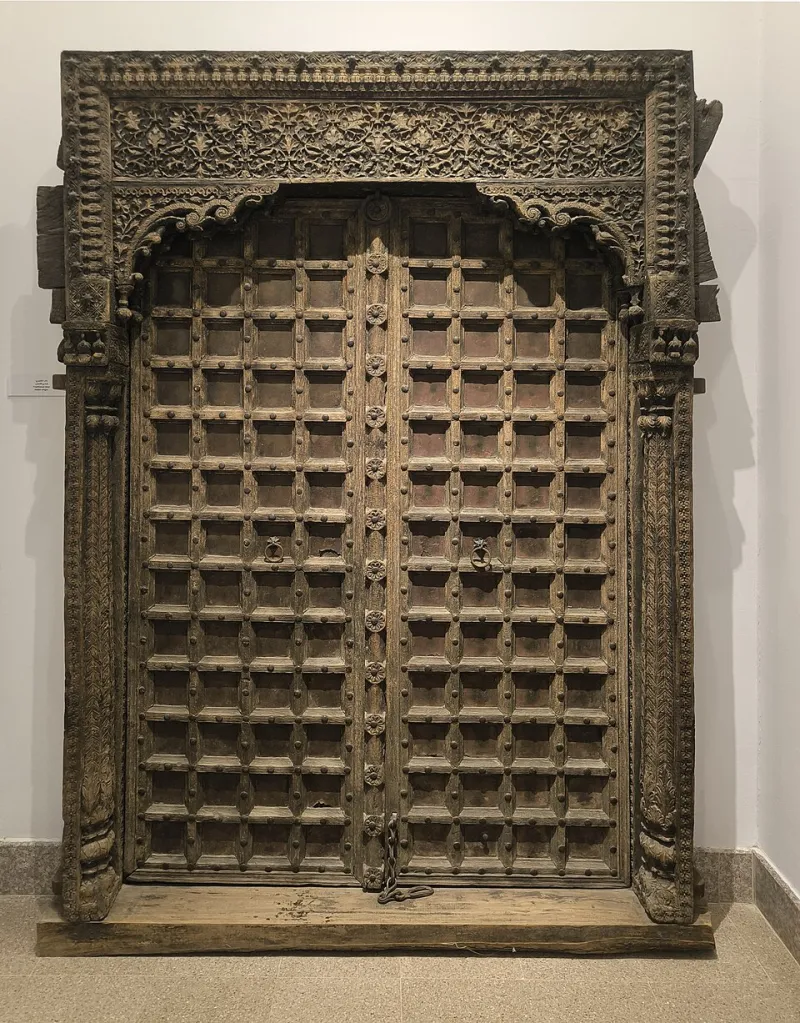
Intentional Accumulation: What 36,000 Objects Teach Us About Living With Meaning
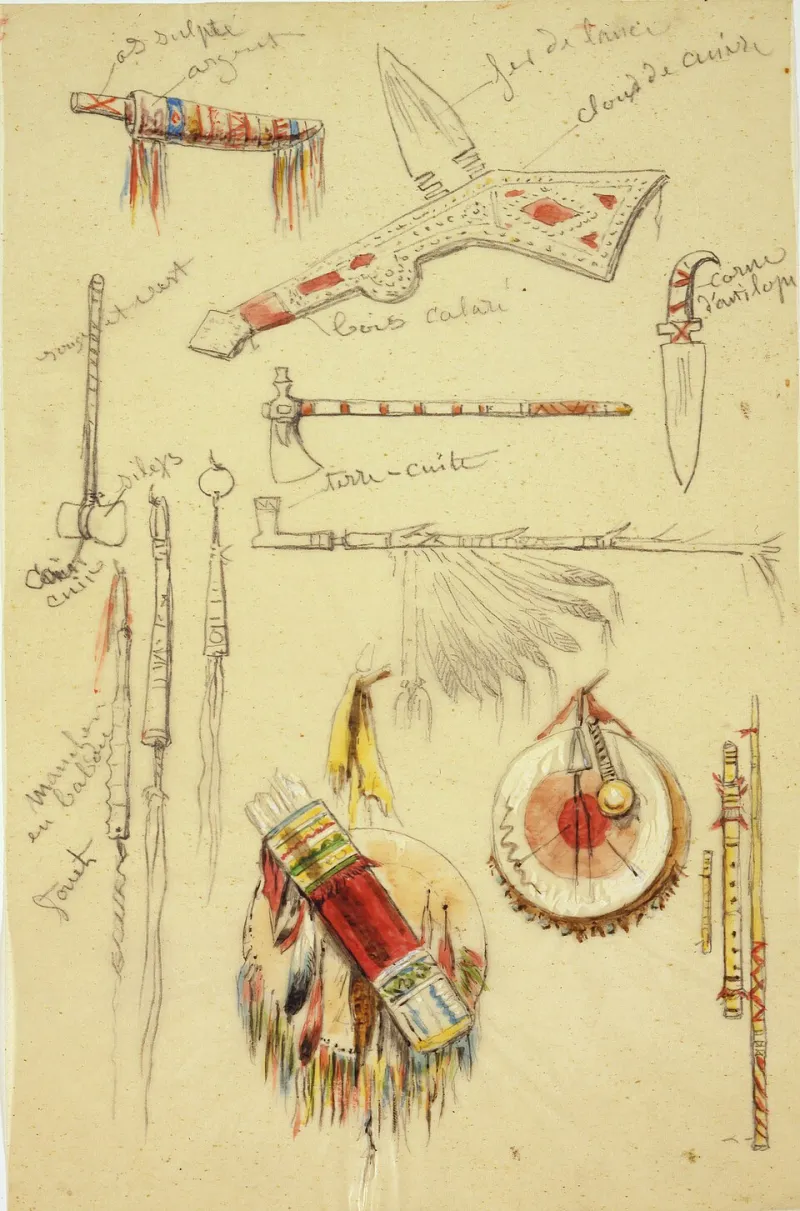
Photo: Rosa Bonheur, Public domain, via Wikimedia Commons
Somewhere between the ruthless decluttering advice that dominates American lifestyle media and the warehouse-sized storage units that quietly contradict it, there exists a philosophy that neither extreme has fully articulated. It is a philosophy built not from trend cycles or self-help frameworks, but from a lifetime of deliberate, deeply considered accumulation. It belongs to Dinkar Kelkar—known to the world as Raja Kelkar—and it is housed, in its most complete expression, at the Raja Kelkar Museum in Pune, India.
The museum's collection numbers over 36,000 objects. To an American audience conditioned to equate fewer possessions with greater virtue, that figure can sound overwhelming, even excessive. But to spend even a few hours moving through the museum's galleries is to understand something that contemporary Western culture has largely forgotten: the difference between accumulation as compulsion and accumulation as conversation.
The Problem With Minimalism's Silence
Minimalism, as it has been marketed to American consumers over the past two decades, rests on a seductive premise—that the removal of objects creates space for clarity, calm, and authentic living. The aesthetic has influenced everything from Californian home design to the sparse product packaging favored by luxury brands. It is, in many ways, a reaction to the genuine disorder of overconsumption.
But minimalism, taken to its cultural extreme, carries a cost that rarely surfaces in the glossy before-and-after photographs. When objects are stripped of context and reduced to their visual weight alone, we lose the stories they carry. A handcrafted oil lamp from eighteenth-century Rajasthan is not merely a decorative item to be assessed for whether it "sparks joy." It is a record of metallurgical knowledge, devotional practice, domestic ritual, and regional identity. To discard it—or to never acquire it in the first place—is to participate, however unwittingly, in a quiet erasure.
Raja Kelkar understood this instinctively. His collecting was not motivated by aesthetic accumulation for its own sake. It was motivated by the conviction that objects are primary documents of civilization—that they tell truths about how people lived, worshipped, worked, and loved that written records often cannot.
What "Intentional" Actually Means
The word "intentional" has become something of a buzzword in American wellness and design circles, frequently deployed to describe everything from meal planning to wardrobe curation. But Raja Kelkar's collection offers a more demanding definition of the term.
Each of the museum's 36,000 objects was acquired with a specific cultural and historical purpose in mind. Kelkar was not collecting randomly, nor was he collecting for display value alone. He was building an argument—a sustained, multi-decade argument that India's domestic arts, its everyday objects, its functional and devotional items, deserved the same scholarly and aesthetic respect as its monumental architecture or its classical paintings.
Consider the museum's holdings of betel nut cutters, ink pots, palanquins, and hookah bases. These are not objects that would typically appear in a Western museum's permanent collection. They are too quotidian, too embedded in the rhythms of ordinary life, to satisfy the traditional curatorial appetite for the singular and the spectacular. Yet it is precisely their ordinariness that makes them extraordinary as historical evidence. They reveal, with extraordinary intimacy, how Indian households functioned across centuries—what was considered beautiful in a utilitarian object, how craftsmanship was valued in the details that no one was necessarily meant to notice.
For American collectors navigating a market saturated with mass-produced "artisan" goods and algorithmically optimized home décor, this is a genuinely instructive model. The question Kelkar implicitly poses is not "Does this object spark joy?" but rather, "Does this object carry knowledge? Does it connect me to something larger than my own preferences?"
The Disposable Culture Problem
The United States generates more solid waste per capita than almost any other nation on earth. A significant portion of that waste is furniture, décor, and household objects—items with lifespans measured in seasons rather than generations. The fast-furnishing industry, led by retailers who have mastered the art of making cheaply produced goods feel aspirational, has fundamentally altered the American relationship with domestic objects.
What has been lost in this transformation is not merely quality in the material sense, though that loss is real. What has been lost is the sense that objects have histories that extend beyond the moment of purchase—and futures that extend beyond the moment of disposal. A hand-carved wooden toy from a traditional Indian craftsperson embodies skills passed down across generations, regional design vocabularies developed over centuries, and a relationship between maker and material that no automated production line can replicate. It is, in the most literal sense, irreplaceable.
Raja Kelkar's museum preserves thousands of such objects precisely because he recognized that irreplaceability as a form of cultural emergency. Once the last master craftsperson who knows a particular technique is gone, and once the objects produced by that technique have been discarded or destroyed, the knowledge they represent vanishes completely. The museum is, among other things, an act of preemptive rescue.
Lessons for the American Interior
American interior designers and collectors who have begun to push back against the disposable aesthetic—who are seeking objects with genuine provenance, authentic craft histories, and the kind of visual depth that only comes from age and intention—will find in Raja Kelkar's philosophy a remarkably useful framework.
The first lesson is patience. Kelkar spent decades building his collection, acquiring objects not in single sweeping purchases but through sustained, attentive engagement with the material culture around him. The American tendency to curate quickly, to complete a room in a single weekend shopping expedition, produces interiors that look assembled rather than inhabited. Objects chosen slowly, and understood deeply, create spaces that feel genuinely alive.
The second lesson is context. An object without a story is merely a shape. Kelkar's museum is meticulous in its documentation—each piece is understood not only as an aesthetic artifact but as a node in a larger network of cultural meaning. American collectors who invest time in understanding the origins, techniques, and traditions behind the objects they acquire will find that their spaces become more layered, more resonant, and ultimately more interesting.
The third lesson, perhaps the most radical in the current cultural climate, is abundance without apology. Kelkar did not believe that fewer objects meant greater meaning. He believed that more objects, properly understood and responsibly preserved, meant greater meaning. The museum's density is not a failure of editing—it is a statement of philosophical commitment.
Why It Matters More Now
The timing of renewed international interest in collections like Raja Kelkar's is not coincidental. As American consumers grow increasingly skeptical of fast fashion, fast furniture, and the environmental and cultural costs of disposable aesthetics, the model of intentional, historically grounded collecting has never felt more urgent.
The Raja Kelkar Museum does not offer a lifestyle trend. It offers something considerably more durable: a philosophy of living with objects that takes seriously their capacity to carry meaning, preserve knowledge, and connect the present to the past. In a culture increasingly anxious about what it is losing to speed and convenience, that philosophy is not merely interesting. It is necessary.