Reading the Room: A Curator's Guide to Decoding the Visual Language of Indian Objects
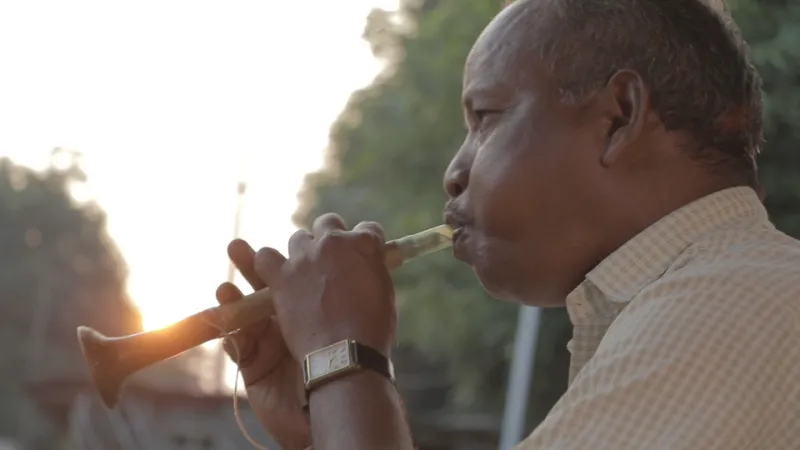
Photo: Psubhashish, CC BY-SA 4.0, via Wikimedia Commons
Stand before a brass oil lamp from Maharashtra, a carved wooden toy from Channapatna, or an embroidered textile panel from Kutch, and you are standing before a document. Not a document written in any alphabet familiar to Western eyes, but one composed in the equally precise languages of material, color, technique, and placement. For the uninitiated visitor, these objects may register as decorative, even exotic. For the trained eye, they are densely annotated records of belief, social order, and lived experience.
At Raja Kelkar Museum, the philosophy that animates our collection rests on a single conviction: that Indian domestic and folk objects are not merely aesthetic achievements but carriers of meaning that deserve to be read with the same rigor one might bring to a manuscript or a historical text. The following framework is designed to help American collectors, museum enthusiasts, and cultural travelers develop precisely that kind of literacy.
Start With the Material: What Something Is Made Of Is Never Accidental
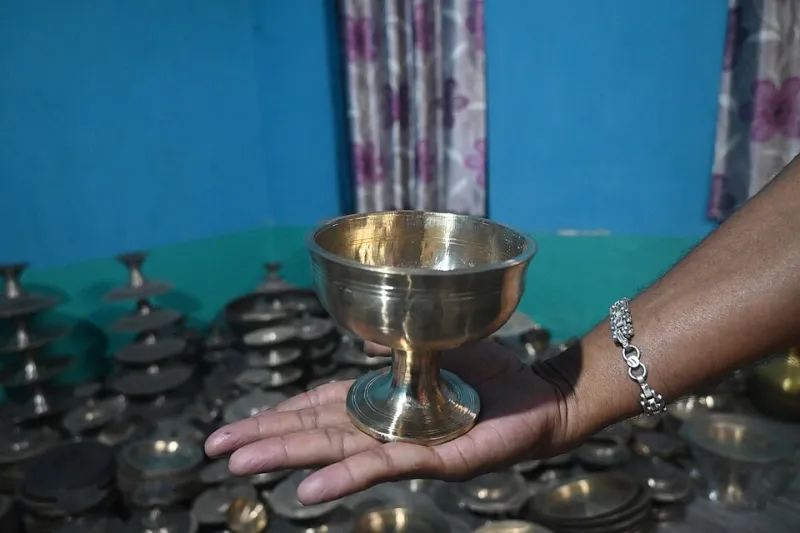
In the Indian artistic tradition, the selection of raw material is among the most semantically loaded decisions a maker can undertake. Brass and bronze, for instance, are not interchangeable with iron or clay in ritual contexts—each carries a distinct cosmological valence. Brass is associated with auspiciousness and is therefore the preferred material for objects that will participate in worship or domestic ceremony. Clay, by contrast, carries associations with transience and the earth's regenerative cycle, which is why terracotta figurines are frequently used in rituals meant to mark transitions: births, harvests, festivals.
When you encounter an object, resist the impulse to evaluate the material purely in terms of monetary value or technical difficulty. Ask instead: why this material in this context? A silver amulet box and a copper one are not equivalent, even if they are formally identical. The choice speaks to the economic circumstances of the maker's patron, certainly, but also to the protective or ritual function the object was expected to perform.
Color as Vocabulary
Indian chromatic traditions are among the most codified in the world, and understanding even their broad outlines will dramatically deepen your engagement with any collection. Saffron and turmeric yellow carry sacred and renunciatory associations across most of the subcontinent's major traditions. Red—applied in sindoor, woven into wedding textiles, painted onto threshold designs—signals auspiciousness, fertility, and the protective power of the feminine divine. White is the color of mourning in many Hindu communities, a fact that inverts Western assumptions and can entirely transform the meaning of an object if overlooked.
This is not a rigid code. Regional variation is substantial, and the same color can carry different freight in Tamil Nadu and Rajasthan. But the principle holds: color in Indian decorative arts is a communicative act, not merely an aesthetic preference. When a collector in Chicago or Boston encounters a textile with a deep indigo ground bordered in red, they are reading a sentence, whether they know it or not.
The Logic of Pattern: Motifs as Inherited Arguments
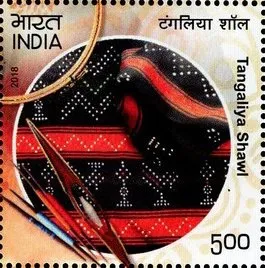
The lotus, the mango form (better known in the West by its Persian-derived name, paisley), the stylized fish, the paired birds, the endless geometric lattice—these are not decorative flourishes in the casual sense. Each carries a genealogy of meaning that stretches back centuries and in some cases millennia. The lotus, rooted in mud and rising to bloom above water, is one of the most durable symbols of spiritual aspiration in the Indian visual lexicon. The mango form, appearing across embroidered shawls, carved architectural panels, and painted manuscripts, is associated with fertility and abundance.
When examining a piece, take note of which motifs appear and how they are arranged relative to one another. Hierarchy within a composition is meaningful. Central placement typically signals primary significance. Borders, far from being secondary, often contain a running commentary on the central image—a kind of visual footnote. The maker's choices about what to emphasize and what to relegate to the periphery encode a worldview.
Technique as Biography
How an object was made tells you where and when it was made, and by whom. The resist-dye technique known as bandhani, practiced primarily in Gujarat and Rajasthan, produces a characteristic texture of tiny pinched dots that is recognizable even without a label. The wax-resist batik of certain Bengal traditions produces softer, more fluid outlines. Bidriware—a metalwork tradition from the Deccan plateau involving zinc alloy inlaid with silver—has a visual signature as distinctive as a fingerprint.
For American collectors navigating auction houses, gallery shows, or museum gift shops, technique literacy is also a practical defense against misattribution and reproduction. Learning to distinguish hand-block printing from machine printing, or handwoven cotton from its industrial equivalent, is not merely connoisseurship—it is an act of respect for the artisan whose labor the object represents.
Placement and Context: The Object in Its Original Life
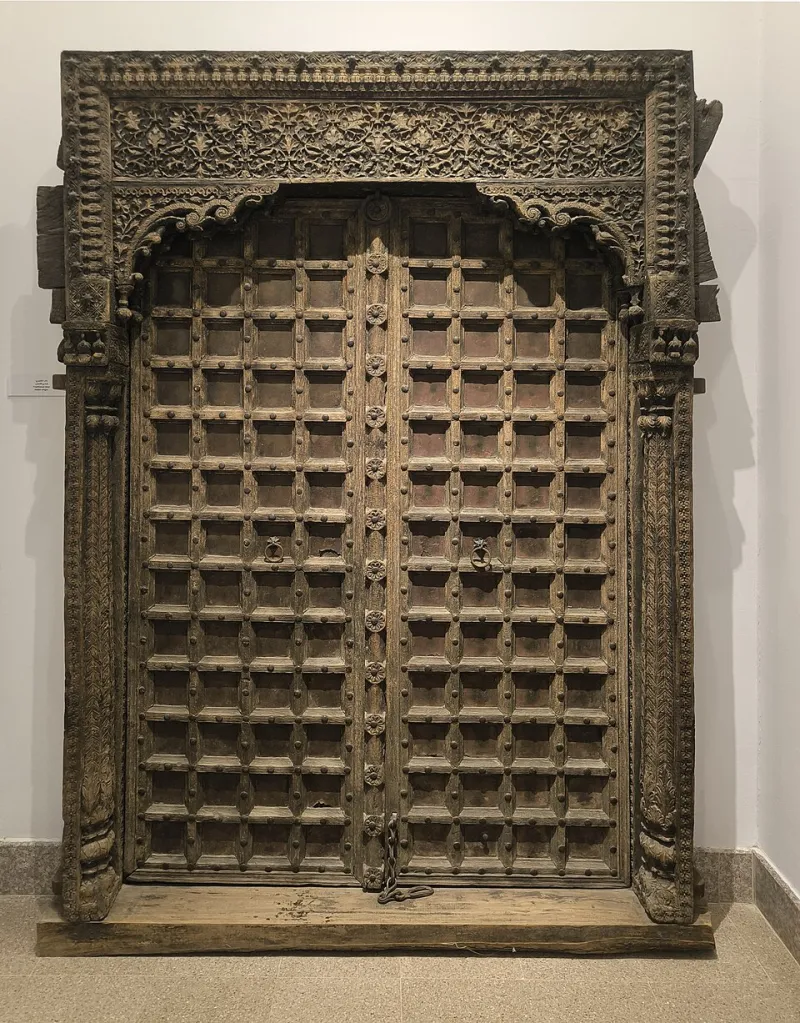
Perhaps the most overlooked dimension of Indian material culture, particularly for Western audiences encountering these objects in the decontextualized setting of a gallery or a private collection, is the question of original placement. Many Indian domestic objects were not designed to be viewed in isolation under museum lighting. They were made to function within a spatial and temporal system—positioned at a threshold, carried in a procession, brought out on specific calendar days and stored for the rest of the year.
A rangoli design, for instance—the geometric or figural pattern drawn in colored powder or rice flour at the entrance to a home—is an ephemeral object, remade daily, intended to welcome beneficial forces and deter inauspicious ones. When we encounter a permanent representation of such a design in tile or textile, we are looking at a translation of a fundamentally performative act into a durable form. Understanding what was lost and what was preserved in that translation is part of reading the object honestly.
Developing Your Eye: A Practice, Not a Destination
Cultural literacy of this kind is not acquired in a single visit or a single reading. It is cumulative, iterative, and best developed through sustained engagement with both objects and their contexts. The Raja Kelkar Museum collection, assembled over decades by a collector who understood that meaning resides not in rarity alone but in the density of cultural connection, offers an unusually rich environment for this kind of learning.
For American visitors approaching Indian art for the first time, or for seasoned collectors who wish to move beyond surface appreciation, the invitation is the same: slow down, look more carefully, and resist the temptation to translate what you see into familiar categories. The grammar of these objects is learnable. And the fluency it offers—the ability to stand before a centuries-old oil lamp or a festival textile and understand something true about the people who made it and used it—is among the more quietly profound experiences a museum can provide.