Woven in Meaning: Decoding the Hidden Symbolism of Traditional Indian Decorative Arts
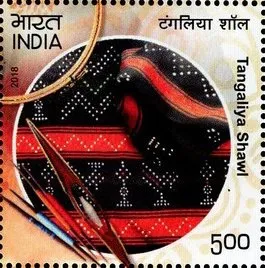
Photo: Post of India, GODL-India, via Wikimedia Commons
When an American visitor first encounters a Banarasi silk sari displayed within a museum setting, the immediate reaction is almost always aesthetic: the shimmer, the density of pattern, the sheer labor implied by every inch of fabric. What rarely registers in that first encounter is that the sari is also a text. Its motifs constitute a vocabulary. Its arrangement of symbols follows a grammar shaped by centuries of regional tradition, spiritual belief, and social negotiation. At Raja Kelkar Museum, we believe that understanding this language is not merely an academic exercise—it is the gateway to a far richer engagement with Indian material culture.
This article is designed for those who have admired Indian decorative objects in museum galleries, antique shops, or their own homes and wished they understood more. Consider it a primer in reading what these objects are actually saying.
The Lotus and the Loom: Spirituality Stitched into Everyday Life
Perhaps no symbol in Indian decorative arts is more pervasive than the lotus. It appears in carved wooden panels, embroidered bedspreads, hand-painted pottery, and cast brassware with a frequency that can seem almost repetitive to outside observers. But the lotus is not decorative filler. In Hindu iconography, it represents divine purity emerging from earthly imperfection—the flower rises from muddy water to bloom in open air. When woven into the border of a household textile, it is an invocation: a quiet prayer embedded in the fabric of daily life.
Similarly, the paisley motif—known in India as the boteh or buta—carries meanings that shift depending on region and era. In Kashmir, where it reached its most elaborate form in the shawls that captivated nineteenth-century European markets, the curved teardrop shape is associated with the cypress tree, a Persian symbol of life and resilience. In other regional traditions, it references the mango, a fruit of abundance and fertility. When American consumers encounter paisley on a scarf or cushion cover today, they are interacting with a symbol that has traveled across continents and centuries, accumulating meaning at every stop.
Regional Dialects: How Geography Shapes Visual Language
One of the most important things to understand about Indian decorative arts is that India is not a monolith. The subcontinent encompasses dozens of distinct artistic traditions, each with its own symbolic conventions, material preferences, and historical circumstances. Recognizing these regional dialects dramatically sharpens one's ability to interpret any given object.
Take metalwork as an example. The bidriware produced in Hyderabad—a technique involving zinc alloy inlaid with silver—favors geometric and floral patterns drawn from Mughal court aesthetics. Its visual language speaks of cosmopolitan sophistication, of a culture that absorbed Persian, Central Asian, and indigenous influences over centuries. Contrast this with the dhokra brasswork of Bastar in central India, cast using the ancient lost-wax method. Dhokra figures are deliberately rough-hewn, their surfaces textured and imprecise in ways that Western eyes sometimes mistake for crude workmanship. In fact, that quality is intentional—a reflection of a tribal artistic tradition that prizes vitality and symbolic force over smooth finish. The elephant rendered in dhokra is not attempting photographic realism; it is channeling something essential about the animal's power and spiritual significance.
Textile traditions are equally regionalized. The kantha quilts of Bengal are distinguished by running stitch patterns that create rippling, meditative surfaces from recycled saris—objects that embody both thrift and transformation. The phulkari embroideries of Punjab, by contrast, explode with geometric boldness in saffron, pink, and gold, traditionally created by women as part of wedding trousseaus. Each piece was a declaration of identity, skill, and community belonging.
Social Status Written in Thread and Clay
Beyond spirituality and geography, Indian decorative arts have long served as a medium for communicating social position. The density of gold zari work in a wedding textile, for instance, was historically calibrated to signal the family's economic standing. Certain motifs were restricted to particular castes or communities, functioning as visual markers of identity in a stratified society. The ikat weaving traditions of Odisha and Andhra Pradesh—where threads are resist-dyed before weaving to create their characteristic blurred geometric patterns—were associated with specific weaving communities whose expertise was both hereditary and socially distinctive.
Ceramic traditions tell similar stories. The blue pottery of Jaipur, with its distinctive turquoise and cobalt palette on a white ground, was historically a luxury product associated with the Rajput courts. Its Persian-influenced floral motifs carried connotations of royal patronage and refined taste. When these objects appear in American homes today, they bring those layered associations with them—whether or not their owners are aware of the history they are hosting.
Reading Your Own Collection
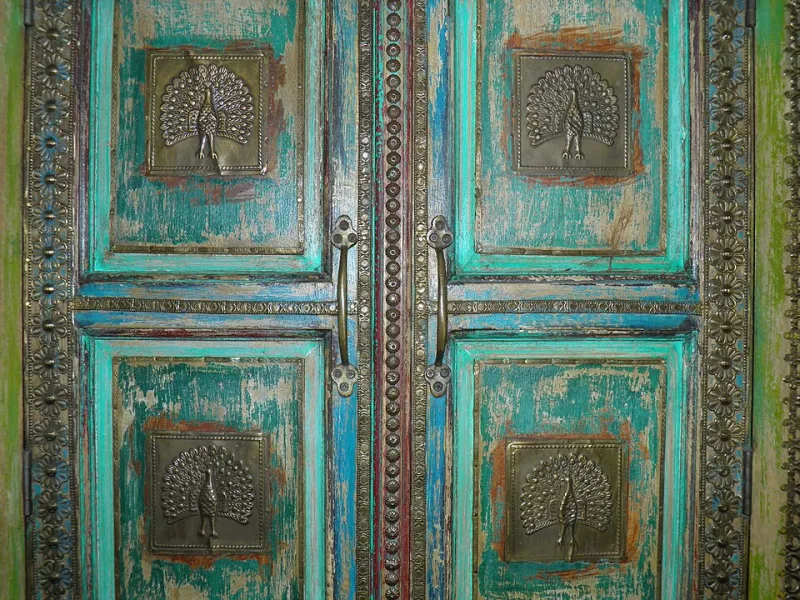
For those who already own Indian decorative objects—whether inherited, purchased while traveling, or acquired through a gallery—this symbolic literacy opens entirely new possibilities. A brass oil lamp in the shape of a peacock is not merely an attractive artifact; the peacock in Indian tradition is associated with Kartikeya, the god of war and victory, and also with the arrival of monsoon rains and renewal. A hand-block-printed cotton bedspread featuring repeating elephant motifs may speak of auspiciousness and memory—elephants in Indian culture are associated with Ganesha, the remover of obstacles, and with royal processions that marked significant communal events.
The practice of reading these objects does not require scholarly expertise. It requires curiosity, patience, and access to good interpretive resources. At Raja Kelkar Museum, our collections—built on the extraordinary vision of D. B. Kelkar, who dedicated his life to rescuing everyday objects of Indian culture from obscurity—demonstrate precisely this point. The most profound artistic statements in Indian decorative tradition were often made not in grand canvases or monumental sculptures, but in the objects people touched, used, and surrounded themselves with every single day.
An Invitation to Look More Closely
India's decorative arts tradition is one of the world's most complex and enduring visual languages. For American audiences encountering these objects in galleries, markets, or their own living spaces, the temptation is to engage primarily with surface beauty. That beauty is real and worth celebrating. But beneath it lies something richer: a record of how generations of artists, craftspeople, and communities understood their world, their relationships, and their place in something larger than themselves.
Learning to read that record is not an act of cultural appropriation—it is an act of genuine respect. It honors the intelligence and intentionality of the people who made these objects, and it deepens our own capacity to be moved by what we see.