36,000 Reasons to Visit Pune: The Indian Museum That the World Has Yet to Discover
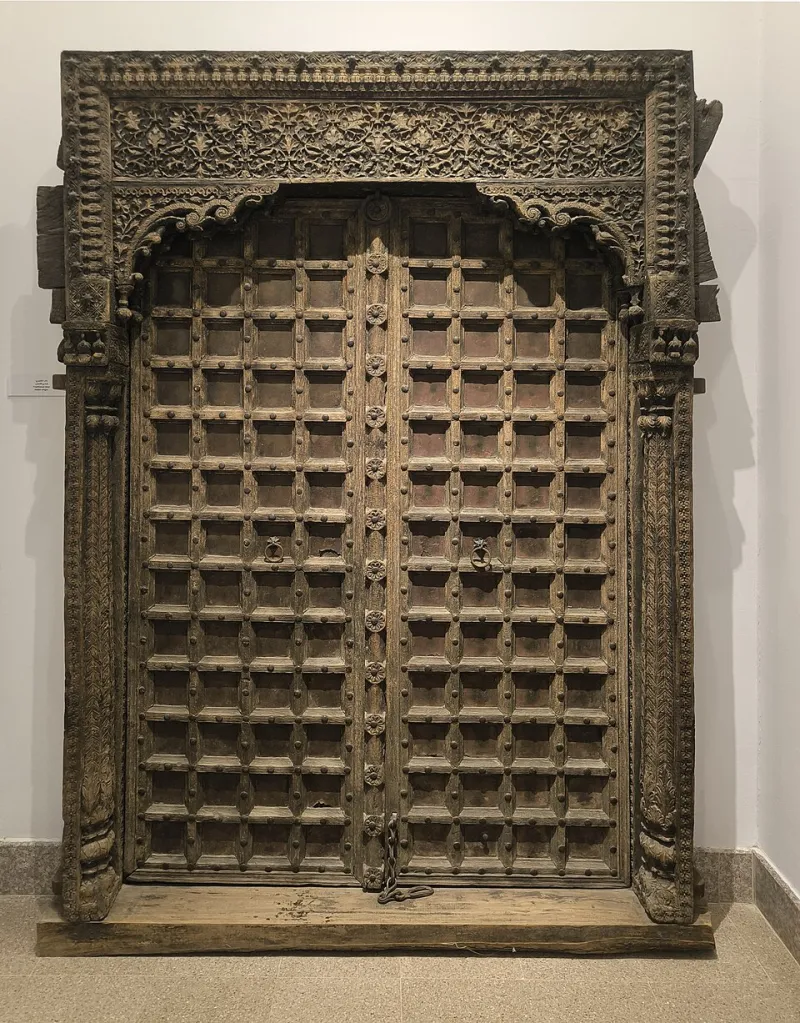
Photo: Reda Kerbush, CC BY-SA 4.0, via Wikimedia Commons
A Museum That Defies Expectation
Imagine walking into a building in the American Midwest and discovering, without any fanfare, a collection that could hold its own against the finest galleries in New York or Chicago. The experience would be disorienting, perhaps even humbling. That is precisely the sensation that greets visitors who find their way to the Raja Kelkar Museum in Pune, India—a city better known internationally for its technology sector than its cultural institutions.
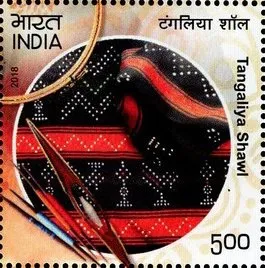
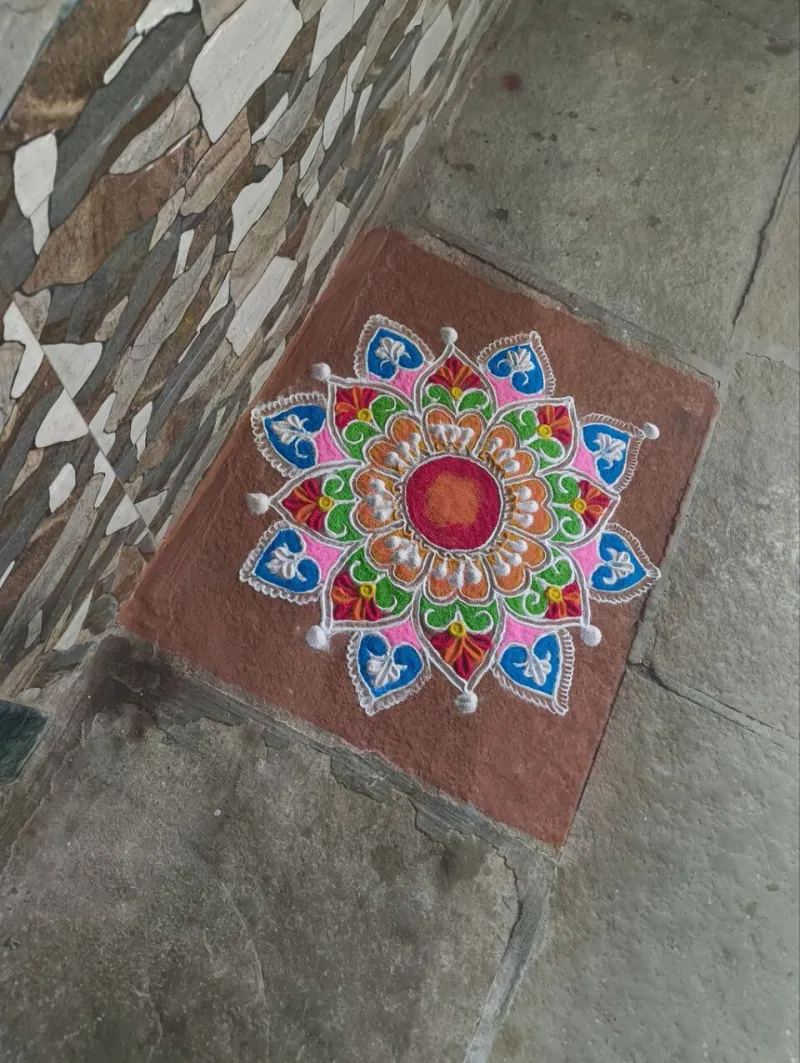
The museum, formally established in 1962 and housed in a structure that is itself a work of art, contains more than 36,000 individual objects. Lamps, musical instruments, writing implements, carved doors, textiles, betel nut cutters, ivory figurines, miniature paintings—the collection sprawls across categories in a manner that is less encyclopedic than it is deeply personal. This was never meant to be a government archive. It was the life's work of one man, Dinkar Kelkar, who collected in the name of his late son Raja and who believed, with absolute conviction, that the objects of daily Indian life were as worthy of preservation as any palace treasure.
And yet, for reasons that have more to do with geography and institutional inertia than with merit, this extraordinary repository remains largely invisible to the international cultural community.
Architecture as Artifact
Before a single display case is examined, the building itself commands attention. The museum's primary structure draws on traditional Maharashtrian architectural vocabulary—carved wooden balconies, interior courtyards, and decorative lattice screens known as jali work—creating an environment where the container and the contained exist in genuine dialogue. Walking through its corridors, an American visitor accustomed to the climate-controlled neutrality of most major institutions will immediately notice that this space has personality. It breathes.
The architectural choices were deliberate. Kelkar understood that Indian objects, many of which were created for domestic or ritual environments, would speak most clearly when displayed in surroundings that echoed their origins. A brass oil lamp intended to illuminate a household shrine carries different weight when it sits beneath carved wooden rafters than it does beneath fluorescent lighting on a white plinth. The building, in this sense, is not merely a container for the collection—it is an interpretive layer in its own right.
For American architects and museum professionals interested in the relationship between space and collection, the Raja Kelkar Museum offers a case study that has received almost no attention in Western academic literature. That oversight is significant, and it is one that institutions like ours are committed to addressing.
Standout Pieces That Belong in the Global Conversation
Any serious survey of the collection inevitably confronts the difficulty of selection. How does one highlight a handful of objects from a gathering of tens of thousands without implying that the rest are somehow lesser? With that caveat firmly in place, certain pieces do demand particular attention.
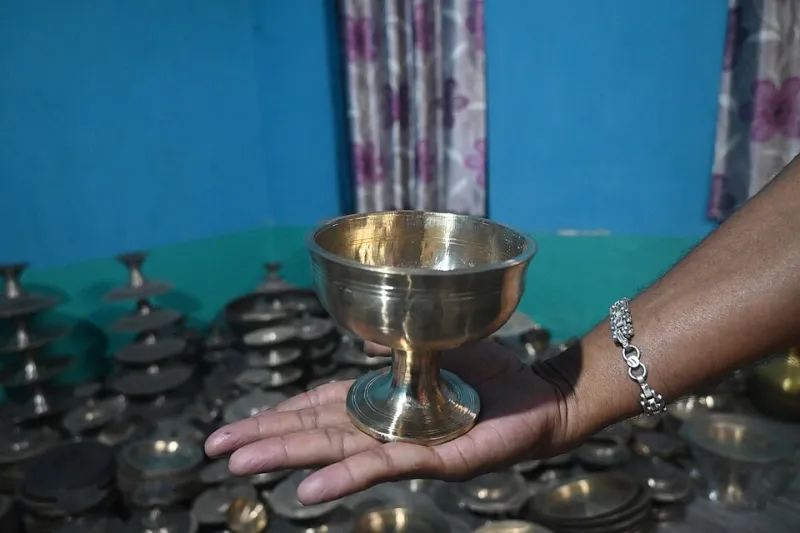
The collection of dipa-lakshmi lamps—oil lamps fashioned in the form of the goddess Lakshmi—represents perhaps the most comprehensive such assembly anywhere in the world. Spanning regional styles from Kerala to Rajasthan, cast in brass, bronze, and silver, these objects trace the intersection of devotional practice and metalworking craft across several centuries. A comparable collection of European religious metalwork would be celebrated as a national treasure. Here, it is simply part of the inventory.
Equally remarkable is the assemblage of paan boxes and betel nut cutters. To a Western eye, these might initially appear to be minor decorative objects—small, functional, easy to overlook. But the craftsmanship embedded in even the most modest of these pieces is staggering. Surfaces are inlaid with silver wire. Handles are carved into animal forms with anatomical precision. What these objects reveal, when examined carefully, is that in traditional Indian material culture, the distinction between fine art and functional object was far less rigid than it has been in the Western tradition. That insight alone has the potential to reshape how American collectors approach the broader field of world art.
Why the International Community Has Looked Away
The reasons for the museum's relative international obscurity are worth examining honestly. Pune, despite its size and economic significance, has never positioned itself as a cultural tourism destination in the way that Jaipur, Varanasi, or Kolkata have. The museum's own promotional infrastructure has historically been modest—a reflection of the institution's origins as a personal gift to the Indian state rather than a commercially minded enterprise.
There is also the matter of categorical bias. Western art institutions have, for most of their histories, organized the world's creative output into hierarchies that placed European fine arts at the summit and assigned everything else to the supplementary category of "ethnographic" or "decorative" material. Indian domestic objects, however extraordinary their craftsmanship, have rarely been granted the status of "art" in the formal sense that Western institutions recognize. The Raja Kelkar Museum's collection challenges that hierarchy at every turn—which is precisely why it deserves a place in contemporary conversations about global cultural heritage.
American collectors and curators who have made the journey to Pune consistently report the same reaction: astonishment, followed by frustration that they had not come sooner. The collection does not merely supplement what they already know about Indian art. It fundamentally revises it.
An Invitation to Reconsider
The Raja Kelkar Museum is not a secret because it lacks merit. It is a secret because the mechanisms by which Western cultural institutions identify and celebrate great collections have consistently failed to look in the right direction. That failure is correctable.
For American travelers planning cultural itineraries in South Asia, Pune warrants inclusion alongside the more familiar destinations. For collectors seeking to deepen their engagement with Indian material culture, the museum's scholarship and holdings offer a foundation that no amount of auction catalog browsing can replicate. And for institutions interested in genuine global dialogue about the nature and value of artistic heritage, the Raja Kelkar Museum is a conversation partner that has been waiting patiently for the call.
The collection has endured. The building stands. The 36,000 objects remain, each one a quiet argument for a more expansive understanding of what art can be and where it can be found.