Ordinary Objects, Extraordinary Meaning: What India's Domestic Artifacts Reveal About a Living Culture
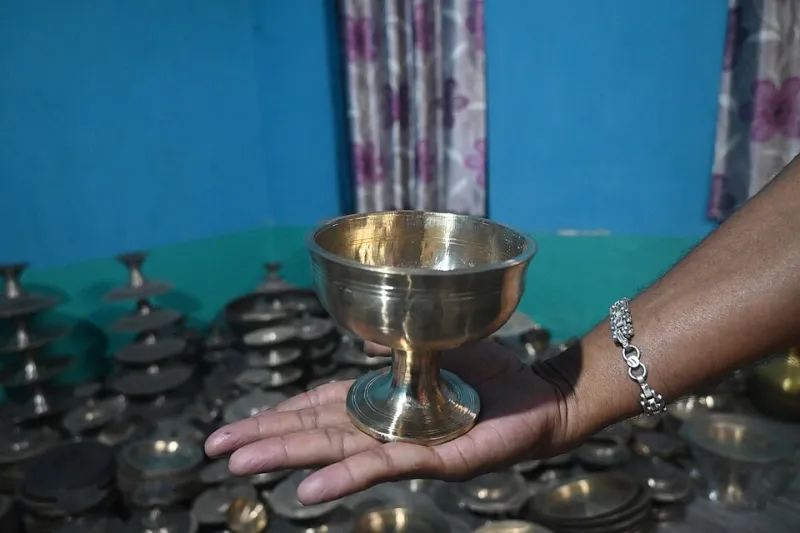
Photo: Mintu Rajbangsi, CC BY 4.0, via Wikimedia Commons
In most major American museums, the story of Indian art is told through its grandest chapters: monumental temple sculpture, gilded manuscript illuminations, and the jeweled regalia of Mughal courts. These are extraordinary works, and they deserve their place under gallery lighting. Yet in focusing so intently on the exceptional, the formal museum world has often allowed an equally rich tradition to go unexamined — the tradition of the everyday object, the domestic artifact, the thing that sat on a kitchen shelf or hung beside a doorway for a hundred generations before anyone thought to call it art.
At the Raja Kelkar Museum, the philosophy has always been different. Dinkar Kelkar, the visionary collector whose lifelong pursuit gave the institution its identity, believed that the most authentic portrait of Indian civilization could be assembled not from its palaces but from its homes. A brass oil lamp used for morning prayer. A carved wooden box meant to hold vermilion powder. A bronze water vessel passed between hands at mealtimes. These, he argued, were not lesser objects. They were cultural documents of the first order.
The Lamp as Sacred Architecture
Consider the deepa, the traditional oil lamp that has illuminated Indian households for millennia. To the uninitiated eye, a lamp is a lamp — functional, utilitarian, replaceable. But within Indian domestic practice, the oil lamp occupies a position of profound spiritual significance. It is the first object lit at dawn and the last extinguished at night. Its flame is understood as a living presence, an embodiment of the divine within the domestic sphere.
The formal variety of deepas in the Kelkar collection alone illustrates how much meaning can be compressed into a single object type. Lamps designed for temple forecourts differ in proportion and iconography from those made for household shrines, which differ again from the miniature lamps carried during festival processions. Regional workshops across Maharashtra, Karnataka, and Tamil Nadu each developed their own aesthetic vocabularies for this single form, encoding local beliefs and social customs into the curvature of a wick-holder or the relief figures cast into a base.
An American visitor encountering these objects for the first time often arrives with the assumption that religious art belongs in a separate, elevated category from domestic life. The lamp collection at Raja Kelkar Museum quietly dismantles that assumption. In Indian tradition, the sacred and the domestic are not opposing categories. They are, in many households, the same category.
Spice Containers and the Grammar of the Kitchen
If the oil lamp speaks to the spiritual architecture of the Indian home, the spice container speaks to its social and economic grammar. The masala dabba — the circular stainless-steel spice tin now familiar to American home cooks through culinary media — is only the most recent iteration of a container tradition with deep roots in Indian craft history.
Earlier versions, many of which are preserved in collections like Kelkar's, were fashioned from silver, brass, and carved wood, their surfaces decorated with motifs drawn from regional folk traditions. A spice box from Rajasthan might feature camel and peacock imagery worked in repoussé silver. One from Bengal might be lacquered and painted with geometric patterns associated with specific community identities. These were not merely storage vessels. They were markers of household status, gifts exchanged at weddings, and objects that carried the aesthetic sensibilities of the women who used and owned them — women whose artistic contributions rarely appear in the official histories of Indian decorative arts.
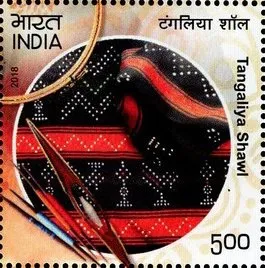
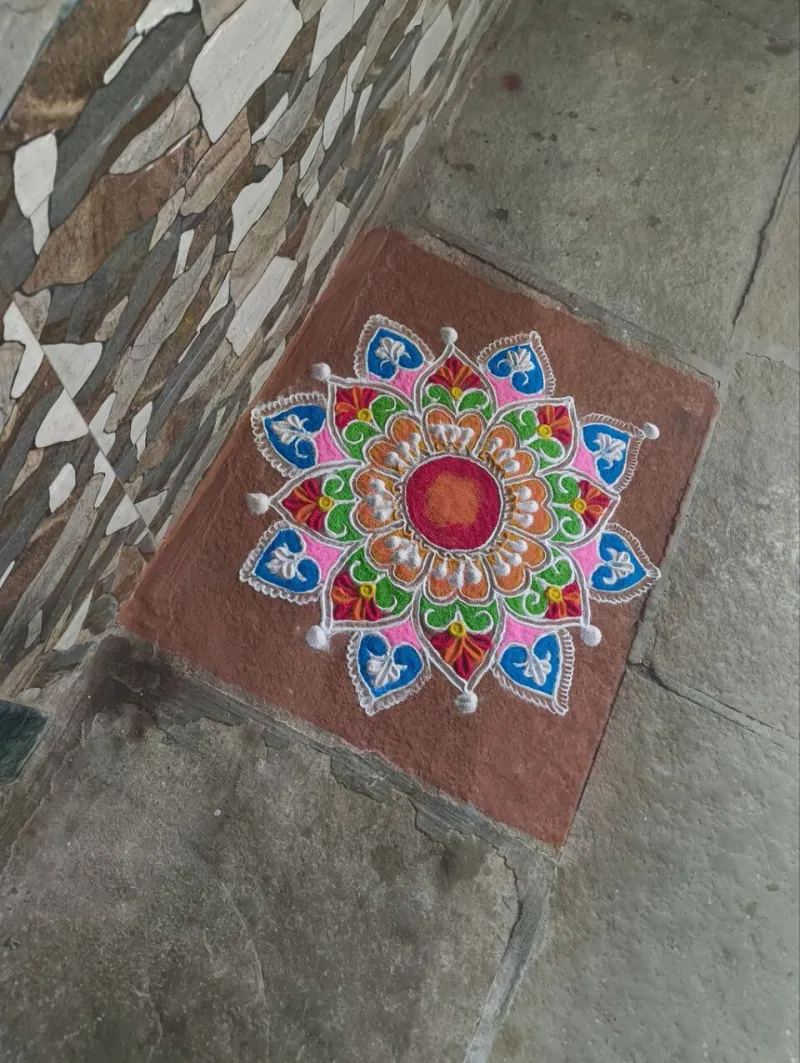
This last point matters enormously. The domestic object tradition in India is, in significant part, a women's tradition. The designs applied to clay water pots, the patterns drawn on thresholds in rice flour each morning, the embroideries worked into household textiles — these were creative practices developed and sustained by women across generations. By taking domestic artifacts seriously as art objects, Kelkar's collection preserves a record of female creativity that more conventional museum frameworks have consistently undervalued.
Prayer Boxes and the Portable Sacred
Perhaps no category of domestic object better illustrates the interpenetration of the sacred and the everyday than the prayer box, or puja pethi. These small, often portable containers were designed to hold the essential materials of personal devotion: a small deity image, incense, a few dried flowers, perhaps a folded cloth printed with a sacred diagram. They allowed households to maintain a point of sacred focus regardless of their circumstances — during travel, in temporary accommodation, in the homes of communities that lacked access to formal temple architecture.
The craftsmanship lavished on these objects is frequently extraordinary. Carved sandalwood panels, inlaid ivory, miniature brass hinges worked to a precision that would challenge a contemporary jeweler — these are not the marks of objects designed to be overlooked. They are the marks of a culture that understood the sacred to be worth honoring at every scale, including the smallest and most intimate.
For American audiences shaped by a cultural tradition that tends to separate the religious from the decorative, these objects can be genuinely revelatory. They suggest a world in which beauty and devotion are not separate impulses but expressions of a single, integrated way of inhabiting life.
What Formal Curation Misses
The challenge for any institution attempting to present these objects to an American audience is one of framing. When a domestic artifact is removed from its context and placed on a museum pedestal, something essential is at risk of being lost. The oil lamp that once stood in a kitchen niche, tended by the same hands every morning for decades, communicates differently when it stands under a spotlight behind glass.
This is the tension that the Raja Kelkar Museum has always navigated with particular care. The goal is not simply to display objects but to restore, as fully as possible, the web of meaning in which they originally lived. Contextual interpretation, comparative display, and the kind of storytelling that connects individual artifacts to the social and spiritual lives of the people who made and used them — these are the tools that allow a collection of domestic objects to function as something more than a cabinet of curiosities.
For visitors coming from the United States, where the decorative arts of other cultures are so often encountered in fragments, stripped of context and reframed as exotic novelties, this approach offers something genuinely different. It offers the possibility of understanding Indian artistic expression not as a series of isolated masterworks but as a continuous, living tradition in which the everyday object and the sacred image inhabit the same creative universe.
That, ultimately, is what Dinkar Kelkar understood when he began collecting. And it is what the museum that bears his name continues to offer to the world.