Before You Buy Another Bronze: Seven Collecting Errors and the Discipline That Prevents Them
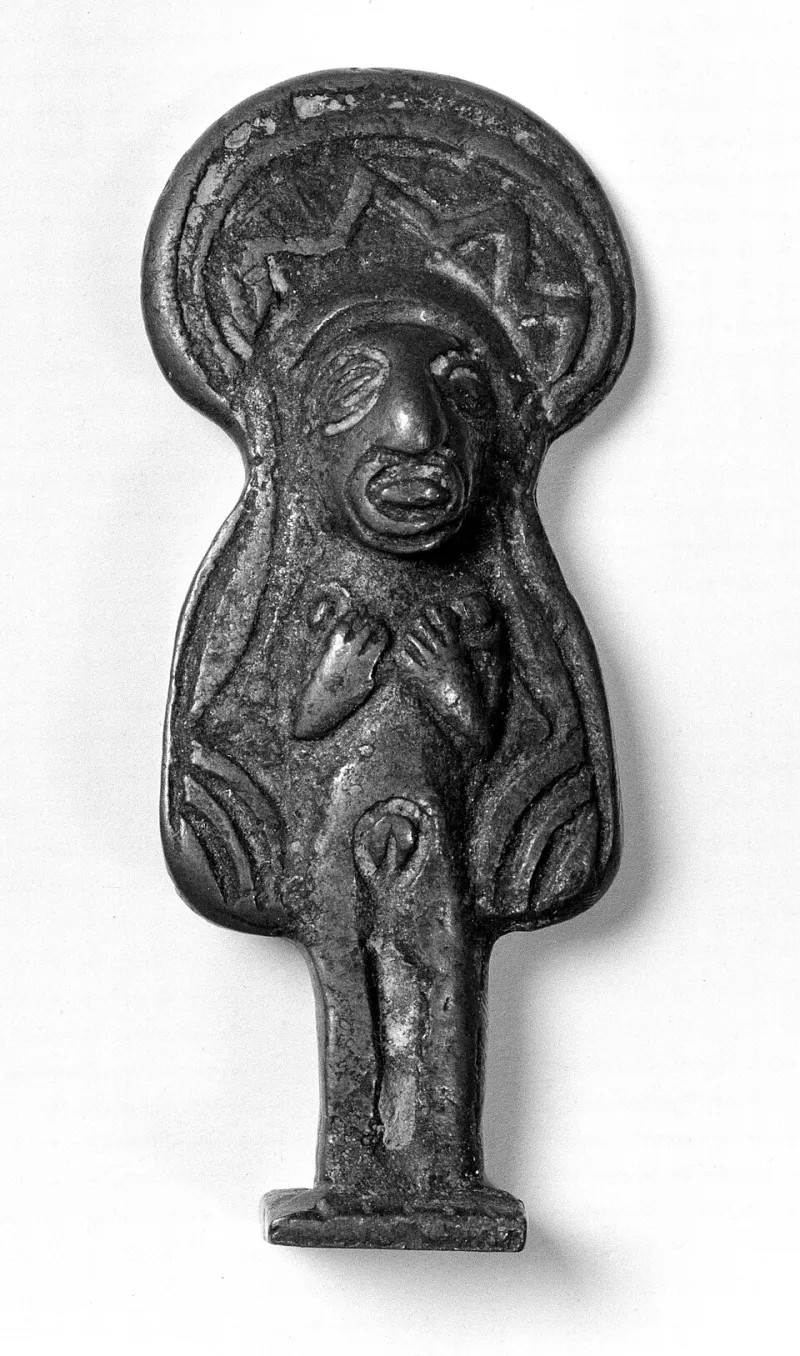
Photo: Unknown, CC BY 4.0, via Wikimedia Commons
The American appetite for Indian material culture is no longer a niche. Textiles from Gujarat and Kashmir, Chola-style bronzes, painted tin trunks, carved doors, temple-adjacent folk art — all of it is moving through estate sales, auction previews, and online marketplaces at a pace that would have seemed unlikely a decade ago. Enthusiasm, however, is not the same as judgment, and the difference between the two is usually measured in money and clutter.
The good news is that a corrective philosophy already exists. Raja Dinkar Kelkar built a collection of some 36,000 objects not by buying everything, but by exercising a ruthless selectivity that beginners would do well to study. Below are seven mistakes we see again and again — each paired with the discipline that prevents it.
Mistake 1: Buying in Batches at Estate Sales
The estate sale is where judgment goes to die. A table of 'Indian brass' at $10 a piece feels like a bargain, so beginners buy six items they only sort of like.
The counter-lesson: Kelkar's method was depth over volume — fewer objects, understood thoroughly. One piece you have researched and love will outlast six pieces you got cheap. Apply a simple test: if you would not pay triple the price for the single item, you do not actually want it.
Mistake 2: Confusing Age With Significance
Buyers hear 'antique' and stop asking questions. But most old objects are merely old; only some are well made.
The counter-lesson: The museum's holdings include everyday objects of modest date alongside masterworks, because the criterion was always quality of making and cultural meaning — not age for its own sake. Ask what the object teaches, not just how long it has existed.
Mistake 3: Displaying Without Context
A bronze deity on a shelf next to a scented candle and a succulent is not styling; it is a category error. Context is what separates a collection from a shelf of souvenirs.
The counter-lesson: Study how curators group and label. Even a small card noting an object's region, material, and function transforms it from décor into a document. Give each piece room to be seen — density is the enemy of attention.
Mistake 4: Ignoring the Maker's Hand
New collectors buy with their eyes from across the room. Craft rewards closer inspection.
The counter-lesson: Handle (or closely examine) before buying. Look for tool marks, asymmetry, and wear — the fingerprints of the artisan. Mass-produced imitations of 'ethnic' craft are flooding the market, and the hand is the one thing they cannot fake convincingly.
Mistake 5: Chasing the Exotic Instead of the Everyday
Beginners gravitate toward the dramatic — large deities, ornate weapons, ceremonial pieces. Meanwhile the true heart of Indian craft is domestic: lamps, locks, boxes, kitchen implements of astonishing elegance.
The counter-lesson: Kelkar's revolution was to treat the ordinary as worthy of a museum. A well-wrought household object often says more about a living culture than a showpiece does. Some of the finest things you can collect cost less than the showy things.
Mistake 6: Neglecting Provenance and Documentation
Objects without histories become orphans, and orphaned collections get scattered at the next estate sale — completing the cycle.
The counter-lesson: Record what you know when you acquire a piece: where, when, from whom, and any story attached. A collection with documentation has a future; one without it has only a present.
Mistake 7: Collecting for Status Instead of Curiosity
The final mistake is the subtlest: buying what signals sophistication rather than what provokes genuine fascination. Status collecting produces rooms that impress guests and bore their owners.
The counter-lesson: The man behind the museum spent decades pursuing objects nobody else wanted, guided by curiosity rather than prestige. That is why the collection endures. Buy the thing you will still be looking at closely in ten years.
The Common Thread
Notice what all seven corrections have in common: each replaces speed with attention, volume with selectivity, and display with understanding. That is not an accident of one collector's temperament; it is a transferable discipline. American collecting culture is young enough to choose its habits. Choose the ones that build a collection worth keeping.